The Evolution of Olympic Sports: From Ancient Origins to Modern Icons
The Historical Significance of Combat Sports in the Olympics
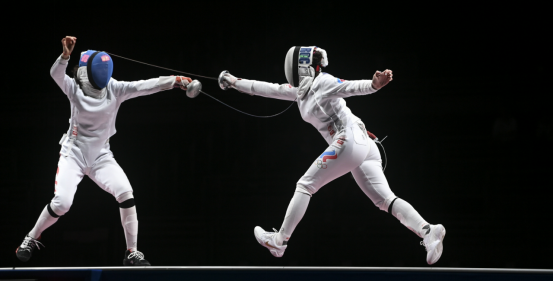
Combat sports have formed the backbone of Olympic competition since the inception of the Ancient Games. Fencing, boxing, and judo represent more than just physical confrontation; they are manifestations of discipline, strategy, and cultural heritage. Fencing, often described as “physical chess,” requires an exquisite balance of grace and explosive strength, evolving from historical dueling traditions into a refined modern sport.
The Technical Evolution of Fencing and Boxing
Modern fencing has transitioned from lethal combat to a highly regulated sport governed by precision electronics. Boxing, meanwhile, has moved from the brutal bare-knuckle bouts of the ancient era to the highly technical, safety-conscious amateur matches seen in today’s Olympic arena. Both sports emphasize the importance of footwork, timing, and mental fortitude.
- Fencing Weapons: Foil, Epee, and Sabre each possess distinct rules regarding target areas and priority, reflecting their historical tactical roots.
- Boxing Strategy: The shift toward points-based scoring has forced boxers to prioritize speed and defensive maneuvers over raw power, creating a more tactical engagement.

Aquatic Disciplines: The Road to Olympic Excellence
The aquatic program, encompassing swimming, rowing, kayaking, and surfing, represents the intersection of human endurance and environmental mastery. Swimming has evolved from basic survival skills to a sport defined by hydrodynamic efficiency and advanced training methodologies. The introduction of new water sports like surfing highlights the Olympic movement’s commitment to adapting to modern sporting culture.
Precision and Stamina in Water Sports
Rowing and kayaking demand unparalleled synchronized power. Unlike individual sports, these require total team cohesion or extreme individual rhythm. Surfing, as a newer addition, introduces a subjective element of artistry and wave selection that contrasts sharply with the measured, lap-based nature of swimming.
| Sport | Primary Metric | Evolutionary Focus |
|---|---|---|
| Swimming | Time | Hydrodynamics/Drag reduction |
| Rowing | Time/Power | Ergonomic efficiency |
| Surfing | Style/Technicality | Environmental adaptability |

Team Sports and the Spirit of Cooperation
Basketball, football (soccer), and volleyball stand as the most globally recognized team sports in the Olympic program. These sports are characterized by constant innovation in tactics and the evolution of the “professional” athlete. The inclusion of professional players has elevated the quality of competition, turning Olympic tournaments into high-stakes international battles.
Innovation in Volleyball and Basketball
Volleyball has seen dramatic changes in rules—such as the introduction of the Libero position—to increase rally lengths and spectator engagement. Basketball, since its 1936 debut, has evolved from a slow-paced tactical game to a high-octane display of athleticism, influenced heavily by the globalization of the sport’s playing style.

Ancient Roots of Athletics and Modern Pentathlon
Athletics—the core of the Olympic Games—traces its lineage directly to the Stadion footrace of Ancient Greece. It remains the purest test of human physical limits. The Modern Pentathlon, created by Pierre de Coubertin, serves as a unique tribute to the versatile soldier of the past, combining fencing, swimming, equestrian show jumping, laser shooting, and running.
The Multidisciplinary Challenge
The Modern Pentathlon is unique because it forces athletes to master vastly different skill sets. This demands a level of versatility that is rarely seen in specialized Olympic sports, symbolizing the “complete athlete” ideal that the Olympic movement has championed for over a century.
Frequently Asked Questions (FAQ)
- Q1: Why are some sports removed from the Olympics while others are added?
- The International Olympic Committee (IOC) evaluates sports based on global popularity, gender equality, youth appeal, and the ability to maintain the “Olympic spirit.” Sports that fail to modernize or lack international federation support may be phased out to make room for emerging disciplines like surfing or skateboarding.
- Q2: How has technology changed Olympic shooting and weightlifting?
- In shooting, digital precision sensors and air-pressure technology have eliminated human measurement errors. In weightlifting, advancements in biomechanical analysis and specialized equipment have allowed athletes to push past previous human strength plateaus while reducing injury risks.
- Q3: What makes the Modern Pentathlon unique compared to other sports?
- It is the only sport specifically designed for the Olympic Games. It tests a range of physical and mental attributes—from the explosive power needed in running to the calm, steady precision required in shooting—making it the ultimate test of versatility.
- Q4: How did the inclusion of professional athletes change team sports like basketball?
- The inclusion of professionals transformed basketball from a collegiate-style competition into a spectacle of elite international talent, significantly increasing global viewership and standardizing high-level coaching and training protocols across the globe.