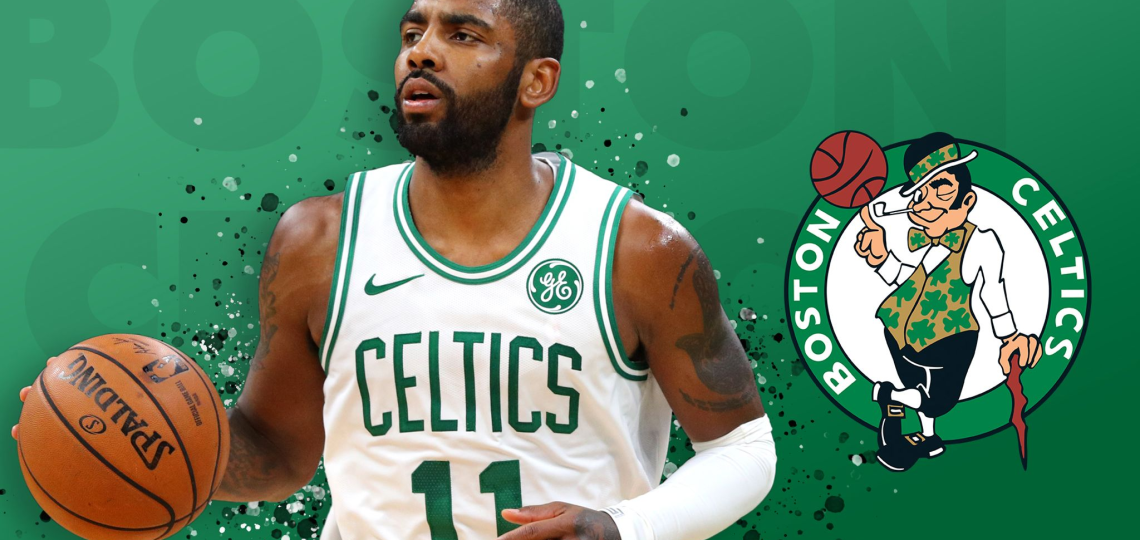
Kyrie Irving: The Complexity of Leadership, Loyalty, and Legacy
The Collapse of the Brooklyn Nets’ Big Three
The dissolution of the Brooklyn Nets’ ambitious “Big Three”—consisting of Kyrie Irving, Kevin Durant, and James Harden—remains one of the most scrutinized chapters in modern NBA history. While external narratives often focused on personality clashes, Irving has provided deeper context regarding the internal structural failures and the lack of time to build genuine on-court chemistry.
The Catalyst of Instability
The core issue was not a lack of talent, but a lack of availability and continuity. The trio played a remarkably small number of games together, preventing them from developing the rhythm necessary to compete at a championship level.
- Availability Issues: Injuries and off-court mandates significantly limited the minutes the stars shared.
- Strategic Disconnect: The team struggled to balance the individual brilliance of three ball-dominant players.
- Management Pressure: The expectations placed upon this unit were insurmountable given the limited window of operation.
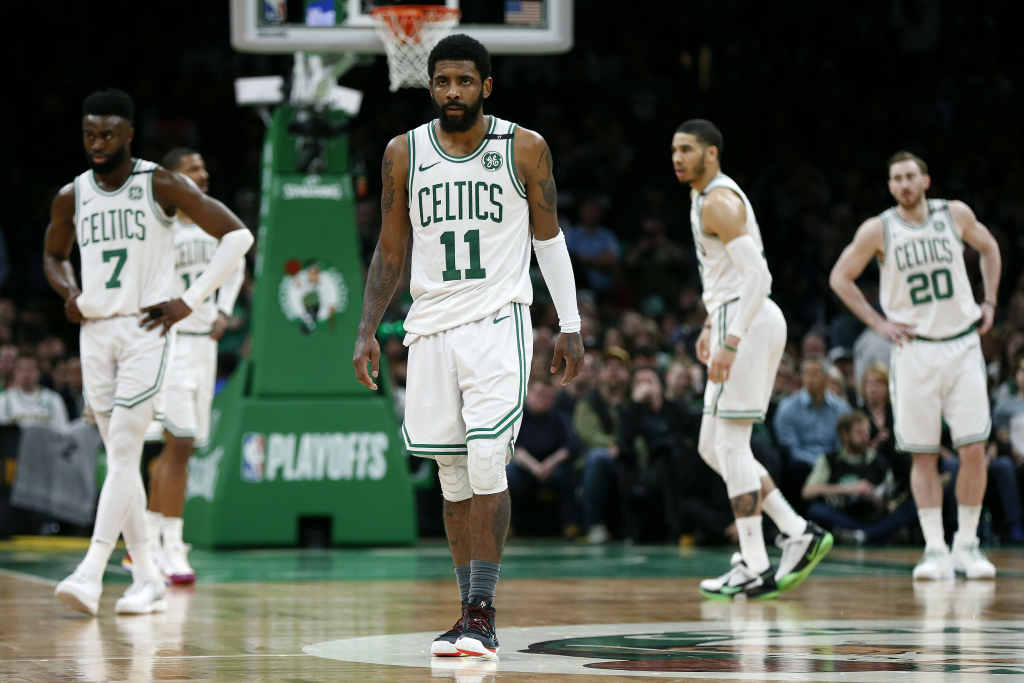
Kyrie Irving’s Evolution with the Dallas Mavericks
Following his tenure in Brooklyn, Irving’s transition to the Dallas Mavericks marked a pivot toward long-term stability. His contract renewal was a clear signal of the organization’s intent to build a championship-contending core, characterized by a willingness to sacrifice individual financial gain for team composition.
The Economics of Winning
Irving’s decision to accept specific contract terms reflects a matured perspective on his role within a franchise. By prioritizing the team’s salary cap flexibility, he aimed to ensure that the supporting cast remains competitive alongside him and Luka Dončić.
| Metric | Strategic Focus |
|---|---|
| Salary Cap Impact | Optimized for roster depth |
| Leadership Style | Collaborative rather than hierarchical |
| Goal | Championship contention |
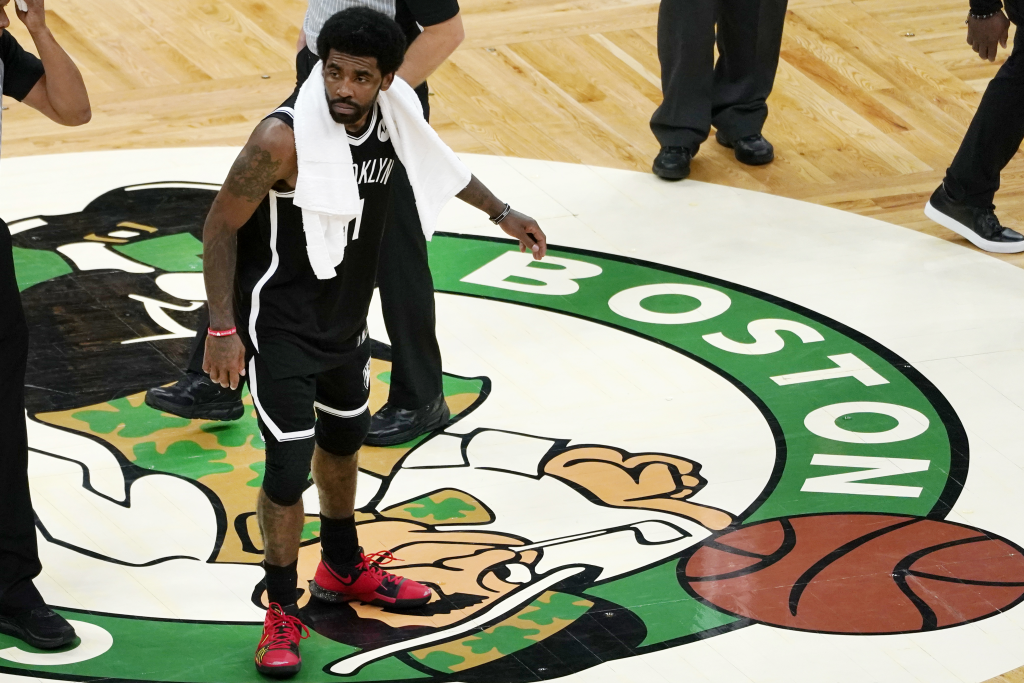
The Leadership Paradigm: Why Kyrie Irving Faces Scrutiny
A recurring theme in Irving’s career is the debate surrounding his capability to serve as the primary “boss” or leader of a franchise. Critics often point to his turbulent stints in Boston and Brooklyn as evidence of a leadership mismatch, while supporters argue that he thrives in roles where he is not tasked with being the singular face of the organization.
The Boston Celtics Mismatch
The meeting between Kyrie Irving and the Boston Celtics is frequently cited as a case study in “wrong time, wrong place.” The clash between his unique playing style and the established culture of a young, ascending Celtics team created friction that ultimately led to his departure.
Defining the Modern NBA Leader
Irving’s career suggests that leadership in the modern NBA is not a one-size-fits-all role. He functions best when the burden of leadership is distributed, allowing him to focus on his elite offensive production rather than the administrative or cultural demands of being the sole franchise cornerstone.
Frequently Asked Questions (FAQ)
- Q1: Why did the Nets’ Big Three fail to win a championship?
- The failure was primarily due to a lack of shared court time caused by injuries, personal absences, and a lack of organizational stability, which prevented the formation of a cohesive team identity.
- Q2: What changed in Irving’s approach with the Mavericks?
- Irving shifted his focus toward team-first metrics, including salary structure, to help the Mavericks maintain a competitive roster capable of contending for a title.
- Q3: Is Kyrie Irving a natural team leader?
- It is complex; Irving excels as a high-level contributor and co-star but has historically struggled when tasked with the singular responsibility of being the primary cultural leader of a franchise.
- Q4: What was the main issue during his time in Boston?
- The primary conflict stemmed from a misalignment between Irving’s veteran-led expectations and the developing culture of the Celtics’ younger core at the time.