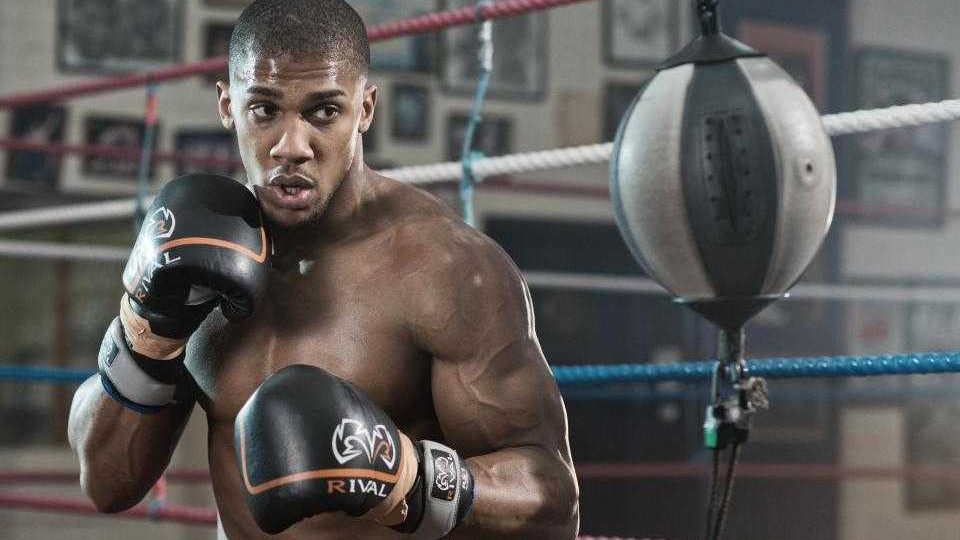
The Modern Martial Arts Athlete: Training, Discipline, and Life Beyond the Ring
The landscape of martial arts has dramatically evolved, moving beyond traditional dojos to encompass a highly scientific and data-driven approach, especially for professional athletes. Modern martial arts athletes are not just fighters; they are sophisticated strategists, meticulously conditioned individuals, and masters of both physical and mental fortitude. Their journey is a testament to unwavering discipline, relentless pursuit of excellence, and a profound understanding of how to leverage every advantage, from biometric data to psychological resilience. This pillar page explores the intricate world of these athletes, dissecting their training methodologies, the character traits forged in the crucible of combat, and the enduring impact martial arts has on their lives, both inside and outside the arena.
The Evolution of Modern Martial Arts Training
The days of relying solely on instinct and brute force are largely over in professional martial arts. Today’s athletes integrate cutting-edge sports science, advanced analytics, and interdisciplinary approaches to optimize every aspect of their preparation. This shift has redefined what it means to train, transforming it into a holistic pursuit that balances physical conditioning with mental acuity and strategic planning.
Integrating Data and Analytics for Peak Performance
Modern martial arts training is increasingly powered by data. Athletes and their teams collect vast amounts of information, from heart rate variability and sleep patterns to detailed performance metrics during sparring sessions. This data provides actionable insights, allowing for personalized training regimens that minimize injury risk and maximize efficiency. For instance, wearable technology tracks daily activity levels, recovery rates, and even stress indicators, enabling coaches to adjust workloads in real-time. This scientific approach ensures that training is not just hard, but also smart and sustainable.
- Biometric Monitoring: Athletes utilize devices to track heart rate, oxygen saturation, and calorie expenditure, providing objective measures of their physical exertion and recovery needs. This helps prevent overtraining and ensures optimal physiological adaptation.
- Performance Analysis: Video analysis software breaks down techniques, identifies weaknesses, and evaluates opponent tendencies. Coaches can pinpoint subtle flaws in a fighter’s stance, movement, or strike execution, allowing for targeted technical adjustments.
- Nutritional Tracking: Dietitians work with athletes to meticulously track caloric intake, macronutrient ratios, and hydration levels, tailoring nutrition plans to specific training phases and weight-cutting requirements. This fuels performance and aids recovery.
Advanced Strength & Conditioning Protocols
Beyond traditional martial arts drills, athletes engage in highly specialized strength and conditioning programs designed to meet the unique demands of their sport. These programs focus on functional strength, explosive power, endurance, and injury prevention, often incorporating elements from various athletic disciplines. The goal is to build a robust, resilient physique capable of withstanding the rigors of intense competition.
- Functional Strength Training: Exercises mimic combat movements, focusing on core stability, rotational power, and multi-joint movements. Examples include medicine ball slams, kettlebell swings, and plyometrics, which build explosive power relevant to striking and grappling.
- Endurance and VO2 Max Training: High-intensity interval training (HIIT) and long-duration cardiovascular sessions improve stamina, crucial for maintaining performance throughout multi-round fights. Athletes often simulate fight scenarios to build specific endurance.
- Injury Prevention and Mobility: Extensive flexibility and mobility work, often incorporating yoga, Pilates, or specialized physiotherapy, helps maintain joint health, increase range of motion, and reduce the likelihood of common martial arts injuries.
Strategic Combat Preparation and Game Planning
A significant component of modern training involves sophisticated game planning. Athletes and their coaching teams meticulously study opponents, analyze their strengths and weaknesses, and develop tailored strategies. This goes beyond simple technique; it involves understanding psychological warfare, timing, and adapting tactics in real-time during a fight.
- Opponent Scouting: Coaches compile detailed dossiers on opponents, studying their fight history, preferred techniques, movement patterns, and tendencies under pressure. This informs offensive and defensive strategies.
- Scenario Training: Athletes engage in sparring sessions designed to simulate specific fight scenarios, practicing responses to various attacks, escapes from disadvantageous positions, and executing their game plan against different styles.
- Mental Rehearsal: Visualization techniques and mental simulations help athletes prepare for the psychological pressures of competition, allowing them to mentally walk through fight sequences and anticipate potential challenges.

Discipline, Grit, and the Athlete’s Mindset
Beyond the physical prowess and scientific training, the defining characteristics of a successful martial arts athlete are often rooted in their mental fortitude. Discipline, grit, and an unwavering mindset are cultivated through years of rigorous training, countless sacrifices, and the consistent pursuit of self-improvement. These attributes are not merely beneficial; they are essential for navigating the demanding world of combat sports.
Cultivating Mental Fortitude and Resilience
The ability to perform under pressure, absorb setbacks, and maintain focus in the face of adversity is paramount. Martial arts instills a unique form of mental toughness that extends far beyond the competitive arena. Athletes learn to manage fear, pain, and exhaustion, pushing through perceived limits to achieve their goals. This mental training is as vital as any physical drill.
- Mindfulness and Meditation: Many athletes incorporate mindfulness practices to enhance focus, reduce anxiety, and improve their ability to stay present during high-stress situations. This helps in making split-second decisions effectively.
- Adversity Training: Coaches deliberately create challenging training scenarios that push athletes to their mental and physical breaking points, teaching them to find solutions and persevere when fatigued or disadvantaged.
- Goal Setting and Visualization: Clear, ambitious goals, combined with regular visualization of success and problem-solving, reinforce mental pathways for achievement and build confidence.
The Role of Routine and Sacrifice in an Athlete’s Life
The life of a dedicated martial arts athlete is characterized by strict routines and significant personal sacrifices. From early morning training sessions to restrictive diets and limited social engagements, every decision is made with the ultimate goal of optimizing performance. This disciplined lifestyle demands a high degree of self-control and commitment.
- Strict Daily Schedules: A typical day involves multiple training sessions, conditioning, recovery, and strategic planning, leaving little room for spontaneity. Adherence to these schedules is non-negotiable for progress.
- Dietary Restrictions: Athletes often follow extremely strict diets, especially during training camps and leading up to weigh-ins, requiring immense discipline to forgo indulgences and stick to nutritional plans.
- Personal Sacrifices: Time away from family and friends, foregoing social events, and managing injuries are common sacrifices. The pursuit of excellence in combat sports often means putting the sport first above many personal desires.
Overcoming Challenges and Setbacks
The path of a martial arts athlete is rarely linear; it is often paved with challenges, injuries, and defeats. The true measure of an athlete’s grit lies in their ability to bounce back from these setbacks, learn from failures, and return stronger. This process builds character and deepens their understanding of resilience.
- Learning from Defeat: Instead of being demoralized, top athletes analyze losses objectively, identifying areas for improvement and using them as fuel for future training. This transforms setbacks into growth opportunities.
- Injury Rehabilitation: Navigating injuries requires patience, adherence to rehabilitation protocols, and mental toughness to stay motivated during recovery periods. It’s a test of commitment and self-care.
- Mental Resilience in Competition: The ability to stay calm and execute a game plan even when a fight isn’t going as planned, or when facing a superior opponent, is a hallmark of truly disciplined athletes.

Martial Arts Beyond the Mat: Life Skills and Character
While the immediate focus of martial arts training might be on combat and competition, its most profound impact often extends far beyond the ring or dojo. The discipline, respect, and resilience cultivated through these practices are invaluable life skills that shape an individual’s character, influencing their interactions, professional life, and personal growth. Martial arts serves as a powerful metaphor for life’s challenges, teaching participants how to approach obstacles with strategy and inner strength.
Developing Self-Discipline and Focus
The consistent demands of martial arts training naturally foster an unparalleled level of self-discipline. From adhering to strict training schedules to perfecting complex techniques, practitioners learn to manage their time, control impulses, and maintain focus on long-term goals. This translates directly into improved performance in academic pursuits, professional careers, and personal endeavors.
- Goal Orientation: Setting and working towards specific martial arts goals, like mastering a new submission or improving striking accuracy, teaches individuals how to break down large objectives into manageable steps and persevere through the process.
- Time Management: Balancing training with other life responsibilities necessitates excellent time management skills, forcing individuals to prioritize and utilize their time efficiently.
- Delayed Gratification: The long-term nature of skill acquisition in martial arts teaches the value of patience and delayed gratification, understanding that significant rewards come from consistent, sustained effort rather than instant results.
Respect, Humility, and Sportsmanship
Core tenets of traditional martial arts, such as respect for instructors, opponents, and oneself, remain deeply embedded in modern combat sports. Athletes learn the importance of humility, recognizing that there is always more to learn, and that true strength lies not just in physical dominance but also in character. Sportsmanship, even in highly competitive environments, is emphasized as a mark of true professionalism.
- Respect for Authority and Peers: Bowing, listening attentively, and showing deference to coaches and senior practitioners instills a sense of respect for hierarchy and experience.
- Humility in Victory and Defeat: True martial artists learn to win graciously and lose with dignity, understanding that every outcome is an opportunity for growth and reflection, rather than a definitive statement of worth.
- Ethical Conduct: Adhering to rules, avoiding unsportsmanlike conduct, and prioritizing the safety of training partners are crucial lessons that build a strong ethical foundation.
Building Resilience and Problem-Solving Skills
Every sparring session, every competition, and every challenging technique presents a problem to be solved. Martial arts training inherently develops an individual’s ability to analyze situations, adapt strategies, and persevere through adversity. This constant cycle of challenge and resolution builds profound resilience and sharpens critical thinking skills that are invaluable in all aspects of life.
- Adaptive Thinking: Fighters must constantly adapt to their opponent’s movements and strategies in real-time. This dynamic problem-solving hones quick thinking and the ability to adjust plans under pressure.
- Overcoming Obstacles: Whether it’s a difficult technique or a strong opponent, martial arts teaches individuals to approach challenges systematically, break them down, and work through them with persistence.
- Mental Toughness: Enduring physical discomfort and mental frustration during training builds a robust mental framework that helps individuals cope with stress and pressure in other areas of their lives.

Legendary Journeys: A Case Study in Longevity and Impact
The stories of martial arts legends often transcend mere athletic achievement, becoming narratives of enduring discipline, strategic evolution, and profound life transitions. These individuals exemplify how the principles learned in combat sports can be applied to build a lasting legacy, both within and beyond the competitive arena. Randy Couture stands out as a prime example, showcasing a remarkable journey from military service to becoming an iconic figure in mixed martial arts.
Randy Couture: From Military to MMA Icon
Randy Couture’s life story is a compelling testament to the power of discipline and continuous self-improvement, rooted deeply in his military background and wrestling foundation. His transition from a decorated military wrestler to a multi-division UFC champion is a masterclass in adaptability, strategic thinking, and sheer grit. Couture’s journey highlights how a strong foundation in one combat discipline can be successfully leveraged and evolved within the dynamic world of MMA.
- Military Discipline as Foundation: Couture’s service in the U.S. Army, where he became a sergeant, instilled a profound sense of discipline, structure, and mental toughness. This military ethos became a bedrock for his rigorous training and strategic approach to fighting.
- Wrestling Prowess: His extensive background in Greco-Roman wrestling provided him with an elite grappling base, which he expertly adapted for MMA. This allowed him to control opponents, dictate the pace of fights, and execute powerful takedowns and ground control.
- Strategic Adaptability: As MMA evolved, Couture consistently adapted his style, incorporating striking and submission defense while maximizing his wrestling advantage. He was known for his intelligent fight IQ and ability to neutralize younger, more athletic opponents through superior strategy.
- Longevity in a Brutal Sport: Couture competed at the highest level well into his 40s, a rarity in MMA. This longevity was attributed to his disciplined lifestyle, meticulous training, and strategic fight choices, which minimized damage and maximized his unique skill set.
The Transition from Competition to Legacy
For many martial arts athletes, the journey doesn’t end when they step out of the competitive spotlight. Legends like Randy Couture exemplify how the skills and character traits honed in combat sports can be channeled into successful post-competition careers and impactful legacies. Their influence often extends to coaching, acting, business ventures, and philanthropy, inspiring new generations.
- Mentorship and Coaching: Many former athletes transition into coaching roles, sharing their vast experience and knowledge with aspiring fighters. They become invaluable mentors, guiding not just technical skills but also the mental and strategic aspects of the sport.
- Entrepreneurial Ventures: The discipline, resilience, and strategic thinking developed in martial arts are highly transferable to the business world. Athletes often launch gyms, apparel lines, or other ventures, leveraging their brand and understanding of sports management.
- Advocacy and Philanthropy: Influential athletes use their platform to advocate for social causes, promote healthy lifestyles, or support charitable organizations. Their stories often inspire communities and encourage positive change.
- Media and Entertainment: The charisma and physical presence of martial arts legends often lead to opportunities in film, television, or sports commentary, allowing them to remain connected to the public and share their insights.

Future Trends in Combat Sports Athlete Development
The continuous evolution of sports science, technology, and understanding of human performance promises to further refine the development of martial arts athletes. Future trends will likely focus on even greater personalization, sophisticated mental conditioning, and a holistic approach to well-being, ensuring athletes can reach their peak potential and sustain it for longer careers.
Personalized Training Regimens Driven by AI and Biometrics
The integration of artificial intelligence and advanced biometric feedback will allow for hyper-personalized training programs. AI algorithms will analyze vast datasets of an individual athlete’s performance, recovery, and physiological responses to tailor workouts, nutrition, and rest periods with unprecedented precision.
- Predictive Analytics: AI will move beyond tracking to predicting potential injury risks or performance plateaus, allowing coaches to intervene proactively and adjust training before issues arise.
- Real-time Adaptive Training: Smart equipment and wearables will provide real-time feedback during training, with AI dynamically adjusting exercise intensity or duration based on the athlete’s current state and fatigue levels.
- Genomic-Based Personalization: Understanding an athlete’s genetic predispositions for strength, endurance, or recovery will enable even more precise tailoring of training and nutritional strategies.
Mental Health and Well-being Support
As the demands on athletes intensify, there will be an increased emphasis on mental health and comprehensive well-being support. Recognizing that mental resilience is as crucial as physical strength, sports organizations and teams will invest more in psychological services, stress management, and emotional intelligence training.
- Dedicated Sports Psychologists: Greater access to sports psychologists will help athletes manage performance anxiety, cope with pressure, process losses, and maintain mental clarity throughout their careers.
- Stress and Burnout Prevention: Programs designed to identify and mitigate stress factors, including burnout prevention strategies and techniques for maintaining work-life balance, will become standard.
- Post-Career Transition Support: Recognizing the challenges athletes face after retirement, comprehensive support systems will be developed to aid their transition into new careers and maintain mental well-being.
Frequently Asked Questions (FAQ)
- Q1: How has data analysis changed modern martial arts training?
- Data analysis has revolutionized modern martial arts training by providing objective insights into an athlete’s performance, recovery, and physiological state. Wearable technology, video analysis, and biometric monitoring allow coaches to create highly personalized training plans, minimize injury risk, optimize strength and conditioning, and develop precise game strategies based on quantitative data rather than just qualitative observation. This scientific approach ensures smarter, more efficient, and sustainable athlete development.
- Q2: What specific life skills do martial arts athletes develop off the mat?
- Martial arts athletes develop a wide array of invaluable life skills that extend far beyond competition. These include profound self-discipline, goal setting, time management, and delayed gratification from consistent training. They also cultivate respect for others, humility in victory and defeat, and strong sportsmanship. Furthermore, martial arts fosters exceptional resilience, adaptive problem-solving skills, and mental toughness to overcome adversity, all of which are highly transferable to academic, professional, and personal life.
- Q3: How do martial arts athletes maintain mental fortitude under pressure?
- Martial arts athletes maintain mental fortitude under pressure through a combination of rigorous training and specific psychological techniques. They engage in adversity training, simulating high-stress scenarios to build resilience. Many incorporate mindfulness, meditation, and visualization practices to enhance focus, manage anxiety, and improve decision-making. Consistent exposure to challenging situations in sparring and competition also trains them to stay calm, adapt, and execute their strategies even when fatigued or facing a difficult opponent, ultimately building unwavering mental toughness.
- Q4: What role does nutrition play in a modern martial arts athlete’s regimen?
- Nutrition plays a critical and highly scientific role in a modern martial arts athlete’s regimen. It’s meticulously tailored to support peak performance, aid rapid recovery, and manage weight effectively, especially during training camps and leading up to weigh-ins. Dietitians work closely with athletes to track caloric intake, macronutrient ratios (proteins, carbohydrates, fats), and hydration levels. This precise nutritional planning fuels intense training, promotes muscle repair, prevents fatigue, and ensures optimal body composition for competition, making it an indispensable component of their overall strategy.
- Q5: How do martial arts legends like Randy Couture transition their skills into post-competition careers?
- Martial arts legends like Randy Couture successfully transition their skills into post-competition careers by leveraging the discipline, strategic thinking, and resilience honed during their athletic careers. They often become influential mentors or coaches, sharing their vast experience with new generations. Many venture into entrepreneurship, launching businesses such as gyms or apparel lines, applying their understanding of management and branding. Their public profile and charisma also lead to opportunities in media, entertainment (like acting), and sports commentary, allowing them to maintain relevance and inspire others while building new legacies.