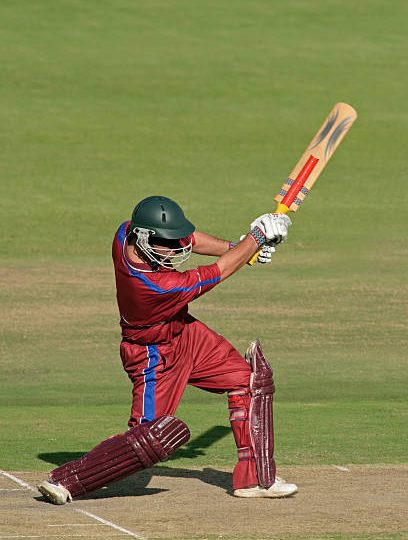
Unveiling Cricket: Why Does This “Aristocratic Game” Have 2.5 Billion Fans Worldwide?
Imagine a sport with such complex rules that a single match can last five days; its terminology sounds like an ancient incantation (“Leg Before Wicket,” “Maiden Over”); it is virtually unknown in North America or East Asia, but in some corners of the world, it is a “national faith” that transcends religion, ethnicity, and politics.
This sport is cricket.
If you’re a baseball fan, you might think of cricket as a distant cousin—a “slow-motion, high-difficulty” sport. Originating in 13th-century England, it’s known as the **”gentleman’s game.” While not as widely known in the United States, cricket is the second most popular sport globally, boasting over 2.5 billion enthusiastic followers.
Why is this sport, with its obscure rules and lengthy processes, so captivating? This article will unveil the fundamental structure, core appeal, and global cultural influence of cricket.

The skeleton of cricket: the field, roles, and core objectives
To understand cricket, you need to let go of your preconceived notions of standard American team sports (like rugby or basketball) and move into a more strategic and patient approach.
1. Match setup: A duel between the three-post goal and the 22-yard box.
Cricket is played on oval or circular grass fields. The central area is a central pitch that is approximately 20.12 meters (22 yards) long. At each end of the pitch are three stumps, topped with two bails, forming the **wicket**.
Objective: Each team has 11 players, taking turns batting and bowling/fielding. The batting team’s objective is to score and protect the wickets from being knocked down; the fielding team’s objective is to dismiss the batter.
2. How does the batter score (runs)?
Once the batter hits the ball, the scoring method is very simple and straightforward:
Running score: One point is awarded when the batter and his partner at the other end run back and forth between the two ends of the fairway once.
Boundary score: 4 points if the ball is hit out of bounds after landing; 6 points (equivalent to a home run) if the ball flies directly over the boundary line in the air.
Key roles and special rules on the field
The roles in cricket differ from those in baseball, with the bowler being particularly unique.
1. Bowler: The Art of the Straight Arm
Unlike baseball pitching, cricket bowlers must “throw” the ball with a **straight-arm action**, a unique rotational and swinging motion. Their core objective is to dismiss the batsman.
2. Wicket-keeper: The last line of defense.
The goalkeepers, wearing special gloves and protective gear, stand behind the batter’s three posts. Their job is to catch any ball missed by the batter, prevent the opponent from scoring, and be ready to assist the defense in getting the ball out.
3. Strategic Depth in Cricket
Cricket is a strategic game where bowlers and field captains (usually field captains) constantly adjust the field placements of their players to anticipate the batsman’s strike, much like the defensive formations in American football.
More complicated outing methods than baseball
The allure of cricket lies largely in its diverse and even somewhat obscure rules for eliminating a batsman. The defending side has several ways to “eliminate” a batsman:
“Bowled”: The most direct way—the bowler hits the three-post wicket with the ball, causing the crossbar to fall.
“Caught”: The ball is caught by any defensive player before it hits the ground (equivalent to a catch in baseball).
“Run Out”: When a batter attempts to run and score, a defender hits the ball into the three wickets at either end of the fairway.
“Leg Before Wicket” (LBW): This is the most confusing rule for beginners, similar to a “defensive foul.” If a throw should have hit the wicket but is blocked by the batter’s body (usually their leg), the umpire will call an out. Determining this rule requires a high level of expertise and intelligence.
The End of Niche Markets: The T20 Revolution
Cricket has been difficult to popularize in the Americas and Europe for two main reasons: the rules are too complicated, and the competition format is too time-consuming.
The traditional five-day Test Cricket can last for five days, which is simply unbelievable for American audiences who are used to fast-paced sports events.
However, cricket is undergoing an “accelerated reform”:
T20 Cricket: This new format compresses the game time to approximately three hours (comparable to a baseball game). Its high pace, sustained attacking play, and scoring opportunities have led to its rapid global popularity.
The rise of global leagues: The success of the T20 has spawned high-profile sports leagues like the Indian Premier League (IPL). The IPL’s tournament value is now approaching that of the NBA, attracting top cricketers from around the world and extending the sport’s commercial influence beyond the Commonwealth.

In conclusion:
Cricket is a sport that blends elegance, deep strategy, and intense competition. If you’ve ever been captivated by the transitions between offense and defense in baseball or admired the strategic moves in football, then cricket is undoubtedly a new field worth investing your time in. The introduction of the T20 format has provided you with an accessible yet high-intensity entry point for watching the games.
Do you think cricket can eventually break through cultural barriers and gain a foothold in North America, just like football? Feel free to share your thoughts in the comments section.