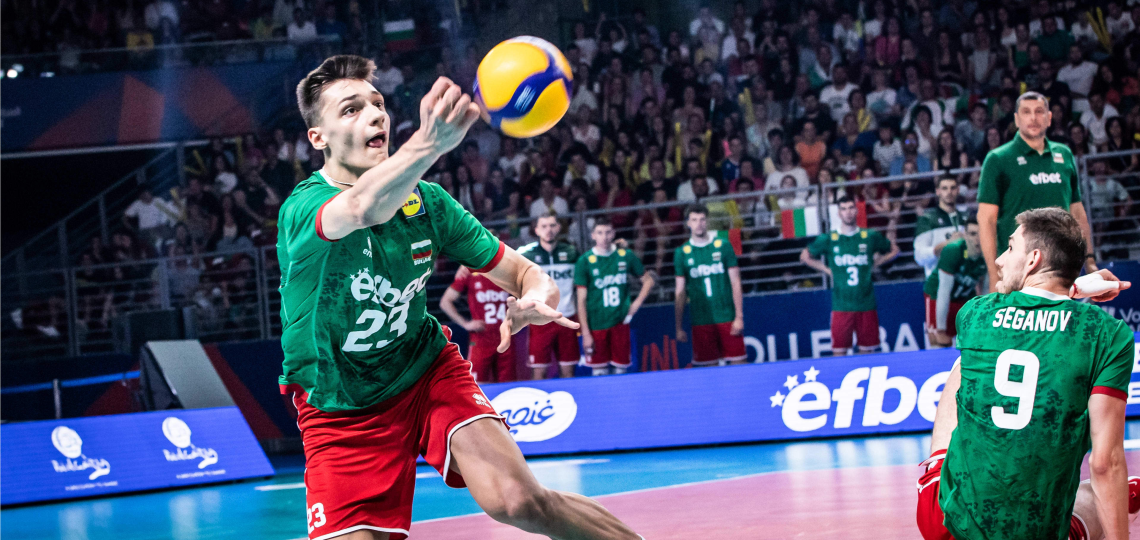
Psychology and Strategies of Youth Ball Sports
Every parent dreams that their child will benefit from sports: a strong physique, iron discipline, and the ability to work as a team. However, the reality is often that you pay for their training, but they are inattentive on the field and even become completely “tired” of the sport when puberty arrives.
Where does the problem lie? Usually, it’s not the sport itself but the “motivation.” When sport transforms from a child’s spontaneous enjoyment (intrinsic motivation) into parental expectations or a coach’s task (extrinsic motivation), interest is completely lost.
This guide will provide you with a practical framework to help you **return control of ball sports to your children**, thereby igniting their deep-seated passion for sports.
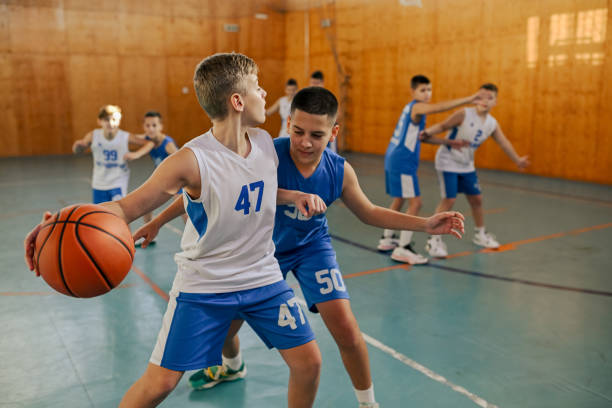
Strategic fit: “Character” is more important than talent.
In the early stages of a child’s athletic career, the choice of sport should not only consider physical talent but should prioritize their personality traits and psychological needs.
1. Observe your child’s social skills and resilience.
Matching sports to children is like finding them a job that suits their personality:
Team-oriented (highly social/extroverted): If your child loves interaction, can stay calm in chaos, and enjoys taking on collective responsibility, then sports that require constant communication and high-intensity teamwork, such as soccer, basketball, or volleyball, are excellent choices.
Focused (Introverted/High Precision): If your child enjoys solving problems independently and has extremely high concentration, sports that prioritize individual skills, such as pitching/catching in tennis, golf, or baseball, can allow them to hone their skills in an undisturbed environment.
2. Prioritize the “exploration phase” over the “specialization phase.”
Child psychologists suggest that during the critical period of exploring sports between the ages of 8 and 12, children should be encouraged to try different sports, like “experimenting with different dishes,” such as playing soccer this year and swimming next year.
Avoid early specialization: Locking in a sport too early can not only lead to overuse injuries to certain parts of the body but may also cause children to become burnt out due to excessive pressure and give up sports too early.
Focus on “play” and “barrier to entry”: For beginners, “fun” is the only criterion. Choose activities with simple rules and low equipment requirements that can be participated in at any time (such as street basketball and Frisbee) to help children build confidence in an informal environment.
Implementation Technique: Transform training into “gamified challenges.”
Children are natural “players.” Successful physical education transforms monotonous, repetitive training into a creative and immediately responsive “gamification” experience.
1. Use stories and scores to motivate practice.
Instead of having children mechanically repeat “dribble 100 times,” give the task an engaging narrative:
Giving the goal meaning: “You are an agent who must dribble a ball through an obstacle course using both hands without being touched by lasers (cones on the ground). If you succeed, you can unlock the next level (a more difficult skill).”
Incorporate popular culture: Design training movements using scenes from **video games (such as Minecraft and Fortnite)** or superhero movies that children are familiar with. This can significantly increase their engagement and imagination.
Immediate rewards and affirmation: Rewards don’t have to be material. A sincere word of affirmation from a coach or parent—”Your physical fitness has improved; you were 15% faster this time!”—is more motivating than any trophy.
2. Ensure that the coach is a “mentor” rather than a “dictator.”
The role of youth coaches is crucial. A good coach:
They are recorders of “progress”: they focus on a child’s effort, attitude, and progress, rather than just criticizing mistakes. They create a safe space that allows children to “make mistakes.”
They are the builders of a sense of belonging: Teenagers highly value their social circles. Coaches should encourage team building, making children feel that they are an indispensable part of the group, turning the sports team into their **”second home.”
Parental role: Be the best supporter, not the worst off-field coach.
Parents’ words and actions on the sidelines have a significant impact on children’s mental health. Always remember: your job is to provide love, logistical support, and emotional assistance, not technical instruction.
| Scene | The correct role of “supporter” | Avoid the role of “off-field coach.” |
| Post-match communication | Question: “Did you have fun today?” “Are you satisfied with your efforts?” | Criticism: “Why didn’t you pass the ball?” “Why have you forgotten the moves I taught you?” |
| Treating winning and losing | The statement emphasized, “We are proud of your efforts and the sportsmanship you have shown.” | The message emphasizes, “You lost; you must win next time.” (This directly conveys pressure and anxiety.) |
| Health and Rest | Ensure adequate nutrition and rest, and teach children to listen to their body’s signals. | Forcing children to train when injured or fatigued, or focusing excessively on “sports scholarships” or “career prospects.” |
Learn to let go: Stop over-intervening (Step Back)
Sports psychology research has repeatedly shown that “helicopter parents” who are controlling, overly critical, and exert excessive pressure are more likely to cause their children to develop anxiety about sports and give up during adolescence. Trust your child, trust the coach, and all you need to do is quietly applaud from the sidelines.
In conclusion:
Getting children to love ball sports ultimately helps them build a strong sense of self-efficacy: believing that they can master skills through effort and practice and find enjoyment in challenges.
When you relinquish control and give children the choice and enjoyment of exercise, they transform this powerful intrinsic motivation into a lifelong habit, which is more valuable than any medal.
Take action: After you finish reading this article, don’t ask your child, “Do you want to practice ball next week?” Instead, ask, “What exciting ball sport would you most like to try in the coming month?” Let them decide, and you provide support.